Dario Parente joins Remzi “Jam Man” Yates for an in-depth conversation about working with Geoff Tate, recording guitar parts, and performing the Queensrÿche music that helped shape him as a player. From melodic solos to the right-hand demands of “The Needle Lies,” the interview gets into the craft behind the sound—and the friendship that keeps the band connected onstage.
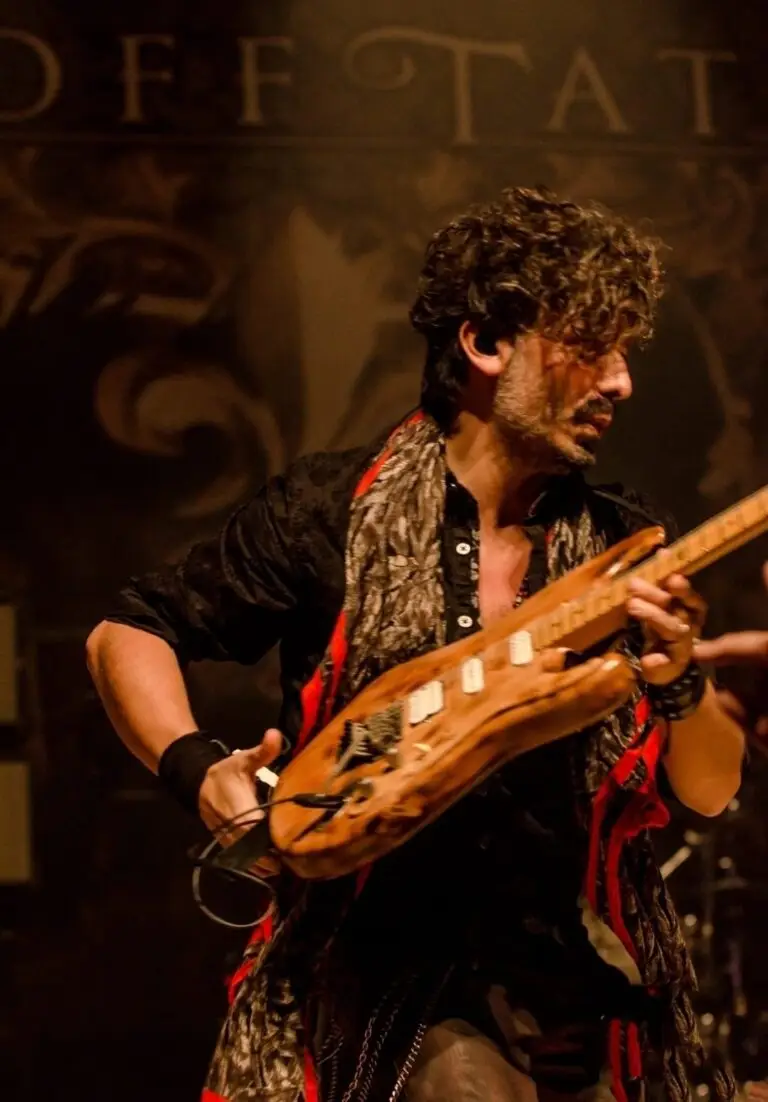
Watch the full Dario Parente interview
Watch the interview directly on YouTube.
Respecting the classic sound while bringing something personal
Parente approaches Tate’s music from two perspectives: he is a working musician helping deliver the material, and a longtime listener who grew up with Queensrÿche as a major influence. That combination informs his approach to recording. Melody and harmonic choices matter, but so does avoiding a simple repetition of what came before.
In the interview, he explains that his own contribution often comes from combining familiar elements of Tate’s musical world with influences from 1970s progressive rock. Rather than adding a new sound simply for novelty, he looks for chord progressions and musical ideas that fit the larger identity of the songs.
When the conversation turns to the story and its characters, Parente makes a clear distinction between musical input and lyrical authorship. He describes Tate as the creative force behind the narrative and says the other musicians respect that ownership. His curiosity about the plot does not mean trying to redirect the story.
Inside the recording process: freedom with a melodic focus
Parente describes a collaborative process in which the principal writers brought much of the material, while the players helped turn those ideas into finished performances. Arrangements could change, and guitar solos offered space for individual expression, but the work still had to serve a shared vision.
A recurring priority was giving solos a singing quality. Technical ability alone was not the goal: the guitar needed to communicate a melody and support the song. Parente also discusses adapting a harmonized guitar passage and drawing inspiration from the interplay heard on Queensrÿche’s Rage for Order.
For listeners interested in how a record comes together, these details reveal the decisions between a demo and a final take. A player can have room to express himself while still working with guidance about phrasing, taste, and the overall arrangement.
What Michael Wilton and Chris DeGarmo taught him
Asked which of Queensrÿche’s classic guitarists he connects with most, Parente expresses admiration for both Michael Wilton and Chris DeGarmo. He hears complementary strengths in their partnership: DeGarmo’s songwriting and lyrical melodic instincts, alongside Wilton’s picking approach and willingness to explore different scales and musical colors.
Parente says Wilton has been a particularly strong influence on his playing. Still, he wants his own personality to remain audible. His musical identity draws from multiple players and styles, including influences beyond heavy metal.
That perspective also shapes how he listens. Knowing the musical language means hearing the small harmonic and melodic details, even when he is trying to enjoy an album. For Parente, the musician’s ear is difficult to switch off.
“The Needle Lies”: practice until you can let go
One of the interview’s most practical discussions centers on “The Needle Lies.” Parente calls it a demanding but enjoyable song to perform, with a particular challenge in the middle riff. He explains the importance of wrist movement rather than relying too heavily on the elbow.
His larger point is repetition. Practicing each passage until it becomes familiar gives him the freedom to perform without mentally tracking every movement. Overthinking where the hands should go can introduce the very mistakes a player is trying to avoid.
He also singles out the closing solo on “Hand on Heart” as a favorite and recalls hearing a studio story about an amplifier problem during “Waiting for 22.” He presents that amplifier anecdote as a story he has heard, rather than something he witnessed himself.
Onstage chemistry, improvisation, and the person behind the voice
Parente says the band’s performances of Tate’s music remain largely consistent from night to night. The material’s structure and storytelling leave limited room for extended improvisation. Eye contact and communication are especially valuable when a small problem needs a quick fix.
There have been exceptions. He remembers an extended solo section in the band’s rendition of Pink Floyd’s “Welcome to the Machine” that allowed the musicians to improvise and embrace a more deliberately chaotic atmosphere.
Offstage, Parente describes Tate as polite, humble, and encouraging toward other performers. He speaks warmly about the singer’s energy and commitment, and about what the younger musicians learn by watching him work.
Missing guitars in Amsterdam—and an Italian final meal
The conversation also covers a touring headache: guitars stuck in Amsterdam while the band was preparing for shows in Scandinavia. Fortunately, time off gave the musicians a chance to buy a replacement instrument and prepare it before the performances. Parente explains why a fixed-bridge LTD was a practical choice in the circumstances.
To close, Jam Man asks his signature final-meal question. Parente’s answer is unmistakably Italian: spaghetti with olive oil, garlic, and parsley. It is simple food, but also something he misses while touring far from home.
Artist links and more from Jam Man
- Dario Parente’s official artist profile and guitar lesson information
- Geoff Tate’s official website, news, and tour information
- Full interview on YouTube
- More Rocking With Jam Man interviews
- Listen on Spotify
- Follow Jam Man on Instagram
- Follow Jam Man on Facebook
- Shop Jam Man books, shirts, and more
Written from the Rocking With Jam Man interview with Dario Parente. Watch the full conversation above for his complete answers.